
The Future of GLP-1 Therapies: An Emerging Disruption Beyond Weight Loss
Glucagon-like peptide-1 (GLP-1) therapies, known primarily for their role in weight management and type 2 diabetes treatment, are on the cusp of transforming multiple industries beyond healthcare. A weak signal gaining momentum is the nearing expiration of key semaglutide patents in 2026 and the concurrent development of oral GLP-1 drugs. These developments could ignite widespread access, stimulate biosimilar competition, and extend the applications of GLP-1 beyond traditional borders, disrupting pharmaceutical markets, food and beverage sectors, insurance models, and public health policy.
What’s Changing?
Several converging developments around GLP-1 therapies indicate a potential seismic shift in their role and impact. Novo Nordisk’s patents on semaglutide—the core compound in their blockbuster weight loss drugs Wegovy and Ozempic—will start expiring in 2026 across multiple countries including India, Canada, China, Brazil, and Turkey (BBC News). This will open the door for generic and biosimilar manufacturers to produce lower-cost versions, sharply reducing prices and accelerating accessibility worldwide. The anticipated competition comes amid biosimilar producers gearing up to capture market share soon after patent cliffs (Chemistry World).
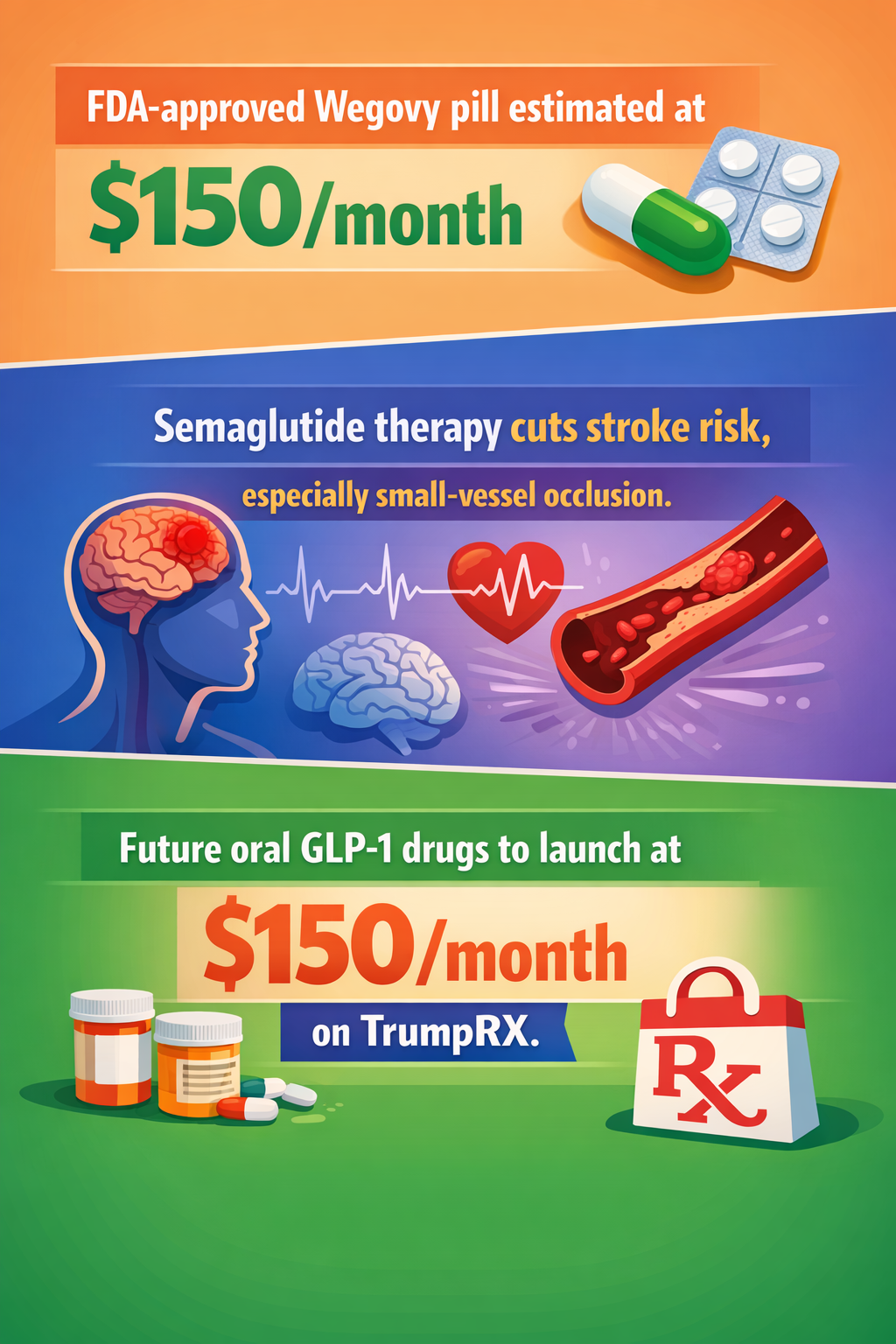
Simultaneously, research on oral versions of semaglutide and new GLP-1 analogues like orforglipron is progressing rapidly, with expectations for U.S. Food and Drug Administration (FDA) approvals as early as 2026 (Oprha Daily). Oral formulations could significantly lower barriers to treatment, improving patient adherence and expanding the therapy’s reach beyond those willing or able to receive injections. Pricing strategies are also evolving; oral GLP-1 drugs may debut at starter doses around $150 monthly, potentially undercutting existing injectable models (Medical Economics).
Currently, GLP-1 treatments remain accessible to fewer than 10% of eligible patients globally, constrained by price, supply shortages, and healthcare disparities (RadioOnTheGo). The World Health Organization (WHO) has raised alarms about supply chain vulnerabilities and rising circulation of falsified or substandard GLP-1 products, underlining regulatory and safety challenges as demand surges (UN News).
Beyond weight loss and diabetes, GLP-1 analogues like tirzepatide (active in Eli Lilly’s Zepbound) are being explored for novel indications such as long COVID treatment, indicating potential expansion into new therapeutic domains (Wired). Meanwhile, pharmaceutical companies enhance product offerings with higher-dose injections promising greater efficacy, maintaining competitive differentiation despite impending generics (Pharmaphorum).
The massive growth forecasted for global GLP-1 sales—from $53.5 billion in 2024 to nearly $141 billion in 2030, with a compound annual growth rate (CAGR) of 17%—betrays more than just therapeutic adoption; it suggests deep penetration into associated markets and sectors (Yahoo Finance).
Finally, the food industry is poised to adjust menus and product strategies in response to widespread GLP-1 use. Snacks and indulgent foods face potential demand declines as weight management becomes more pharmacologically accessible, driving premiumization and innovation focused on health benefits (Food Navigator USA).
Why is This Important?
The expiration of semaglutide patents combined with oral GLP-1 formulations may democratize access to previously expensive medications, influencing health outcomes on a global scale. Lower price points foster usage growth but also raise the stakes for regulatory oversight in ensuring product quality and minimizing counterfeit risks (UN News).
Pharma incumbents face significant disruption as biosimilars enter the fray. Companies may pivot toward higher-dose variants, combination therapies, or novel indications to maintain market share (Pharmaphorum). Therapeutic application expansion beyond metabolic diseases—such as interventions for long COVID—is an emergent frontier, potentially widening healthcare system burdens and opportunities alike (Wired).
Insurers are adjusting risk models and premiums in anticipation of increased medical costs tied to higher GLP-1 utilization, compounding effects from hospital workforce shortages and complex risk pools (Mooloo). These dynamics could impact healthcare affordability and coverage in unpredictable ways.
Consumer behavior in food and beverage industries may shift significantly as pharmacological weight management gains popularity. Companies invested in “indulgent” or high-calorie products might face contracting markets, forcing innovation toward “health-positive” offerings and menu analytics influenced by artificial intelligence (American Recruiters).
Implications
Industries and governments must prepare for a cascade of changes triggered by this GLP-1 evolution. Key considerations include:
- Healthcare systems: Managing increased access to GLP-1 drugs will require scaling regulatory frameworks, investing in pharmacovigilance to prevent falsified drugs, and adapting healthcare workforce training.
- Pharmaceutical competition: Innovators need strategic agility to offset revenue erosion through diversification into new indications, patient-friendly formulations, and pricing strategies that balance competitive pressure with affordability.
- Insurance models: Risk assessments and premium structures may need revisiting to reflect the diffusion of preventive pharmacotherapies, balancing the short-term cost surge with potential long-term savings from reduced obesity-related comorbidities.
- Food and beverage sectors: Companies confronted with shifting consumer appetites toward healthier options might leverage AI-driven menu optimization and reformulation to align with changing demand and regulatory landscapes.
- Global health equity: The expiration of patents could facilitate access in lower-income countries but also risks proliferation of substandard products. Multilateral cooperation on quality standards and supply chains will be critical.
Strategic intelligence professionals should monitor patent timelines, drug approval pipelines, pricing policy shifts, and public health guidelines to anticipate market movements. Long-term scenario planning must account for the expanding role of GLP-1 analogues in both therapeutic and lifestyle contexts, reflecting potential cross-sector disruption.
Questions
- How might biosimilar entrants reshape pricing and competitive dynamics in the global pharmaceutical market for GLP-1 drugs?
- What risks and safeguards are necessary to prevent circulation of falsified GLP-1 products as demand surges?
- In what ways could oral GLP-1 therapies change patient adherence and healthcare delivery models?
- How will insurers adjust coverage policies and premiums to account for increased long-term use of GLP-1 medications?
- What innovations in food production and marketing will emerge in response to the potential dampening of demand for indulgent snacks?
- Could novel clinical applications for GLP-1 analogues, such as in long COVID, redefine therapeutic portfolios and public health priorities?
- How can healthcare systems balance rapid access expansion with ensuring drug safety, quality, and equitable distribution worldwide?
Keywords
GLP-1 therapies; Semaglutide; Biosimilars; Oral drug formulations; Weight management; Pharmaceutical patent expiration; Drug pricing; Food industry innovation; Healthcare policy; Public health; Long COVID treatment
Bibliography
- Pharmaceuticals roundup 2025. Chemistry World. https://www.chemistryworld.com/news/pharmaceuticals-roundup-2025/4022542.article
- Five things for pharma marketers December 12, 2025. MM&M Online. https://www.mmm-online.com/news/five-things-for-pharma-marketers-december-12-2025/
- Campbell’s snacks hold share via premiumization, innovation and LTOs. Food Navigator USA. https://www.foodnavigator-usa.com/Article/2025/12/10/campbells-snacks-hold-share-via-premiumization-innovation-and-ltos/
- WHO releases first guidance on long-term use of GLP-1 drugs for obesity. Radio On The Go. https://www.radioonthego.com/2025/12/02/who-releases-first-guidance-on-long-term-use-of-glp-1-drugs-for-obesity/
- Global shortages of Ozempic, Wegovy risks crisis, WHO warns. United Nations News. https://news.un.org/en/story/2025/12/1166477
- GLP-1 pills for weight loss details. Oprha Daily. https://www.oprahdaily.com/life/health/a69606889/glp-1-pills-for-weight-loss-details/
- Weight loss drug boom set to reach $140 billion by 2030. Yahoo Finance. https://finance.yahoo.com/news/weight-loss-drug-boom-just-100000323.html
- Semaglutide patents expiring in 2026. BBC News. https://www.bbc.com/news/articles/cze8n0753zzo
- Novo Nordisk spends priority voucher on higher dose Wegovy filing. Pharmaphorum. https://pharmaphorum.com/news/novo-nordisk-spends-priority-voucher-wegovy-filing
- Global foodservice news December 1, 2025. American Recruiters. https://www.americanrecruiters.com/2025/11/28/global-foodservice-news-december-1-2025/
- Health insurance premiums: what November open enrollment means. Mooloo. https://mooloo.net/articles/news/health-insurance-premiums-what-november-open-enrollment-means-for-your-wallet/
- Medicare drug prices Ozempic and Wegovy. NPR Shots Health News. https://www.npr.org/sections/shots-health-news/2025/11/26/nx-s1-5621944/medicare-drug-prices-ozempic-and-wegovy
- Self-pay pricing for Lilly’s Zepbound. AJMC. https://www.ajmc.com/view/trump-announces-deals-with-eli-lilly-novo-nordisk-for-lower-weight-loss-drug-prices
- Weight loss drug Zepbound tested as long COVID treatment. Wired. https://www.wired.com/story/weight-loss-drug-zepbound-is-being-tested-as-a-treatment-for-long-covid/
- Price break deals on anti-obesity drugs. Medical Economics. https://www.medicaleconomics.com/view/white-house-novo-nordisk-lilly-announce-price-break-deal-on-antiobesity-drugs